




Ketchup looks simple on the table, but the process behind it is a careful balance of raw material quality, heat, acidity and hygiene. Here is how a tomato becomes a bottle of ketchup, and where industrial equipment does the heavy lifting.
Starting with the right tomatoes
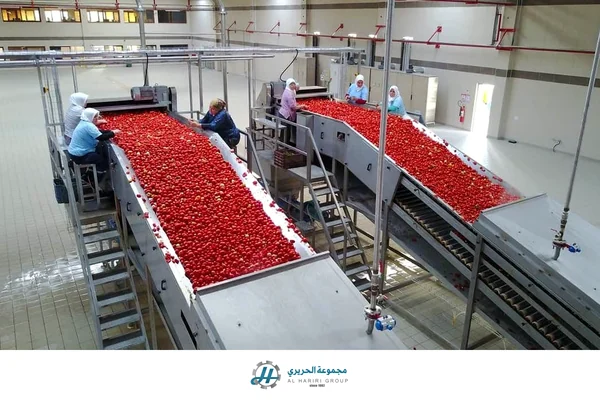
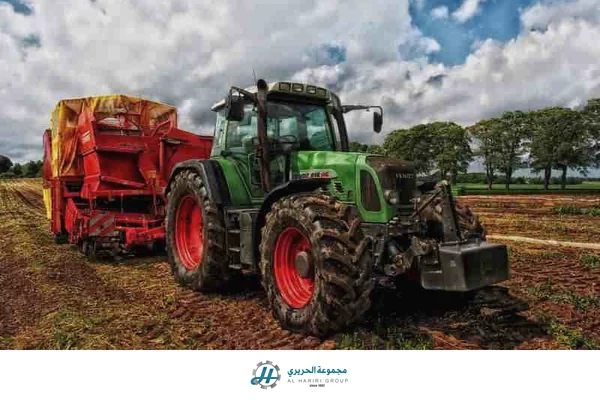
Ketchup quality begins in the field. Processors usually prefer firm, ripe, meaty tomatoes such as Roma or plum types, because they contain less water and give a thicker, more flavourful product. Fruit is harvested at full ripeness, and damaged or underripe tomatoes are removed during sorting before they reach the line.
Washing, crushing and pulping
Tomatoes are washed to remove soil and field residue, then crushed. Crushing breaks the skins and cell walls so the juice and pulp can be separated. In a typical line, a pulper or extractor separates the juice and fine pulp from seeds and skins, which leave the process as waste.
Cooking, concentration and seasoning
The juice is heated in cooking vessels, where water evaporates and the mass thickens to the target consistency. Heat also deactivates enzymes that would otherwise affect colour and texture. Once the concentration is right, vinegar, salt, sugar and spices are added. Each manufacturer keeps its own spice blend and sweet-sour balance, which gives each brand its character.
Blending, hot filling and pasteurisation
After seasoning, the ketchup is blended until smooth and uniform. It is then filled hot into clean bottles or containers and sealed. Pasteurisation or a controlled heat treatment after filling reduces microbial risk and extends shelf life. Samples from each batch are checked for taste, colour, viscosity and seal integrity before release.
Equipment and Al Hariri Group’s role
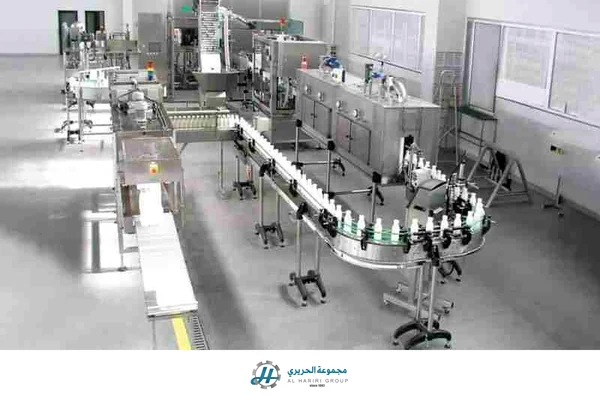
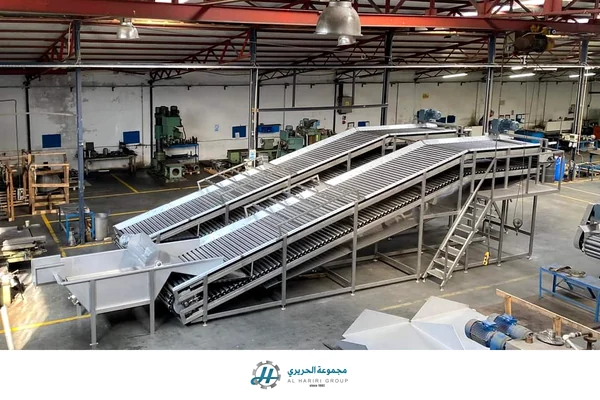
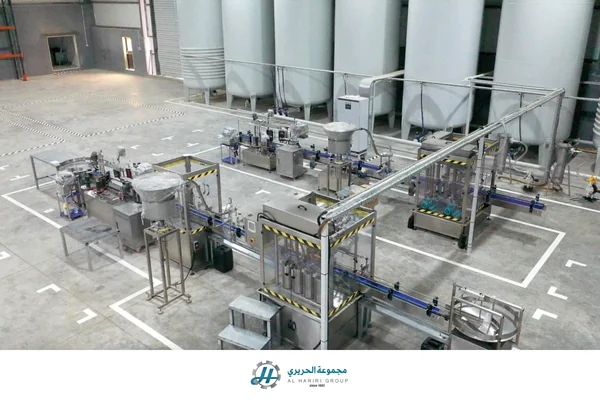
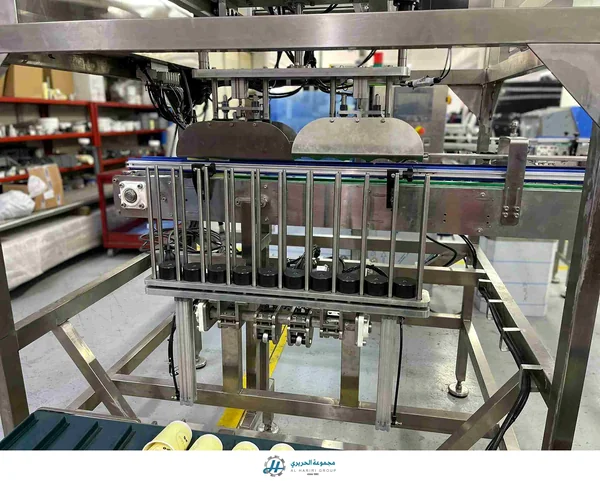
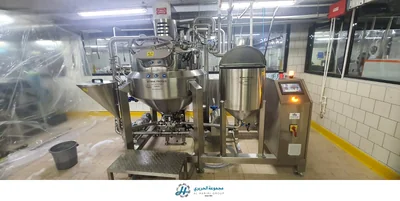
A tomato ketchup line typically includes receiving and washing equipment, crushers, pulpers, evaporators or cooking vessels, blending tanks, filling machines and pasteurisers. Al Hariri Group supplies tomato ketchup production and filling lines, designed around the output and bottle format a plant needs.
Frequently Asked Questions
Which tomatoes are best for ketchup?
Firm, ripe, meaty varieties such as Roma or plum tomatoes are preferred, as they have lower water content and give a thicker product.
Why is ketchup hot-filled?
Hot filling helps reduce microbial risk in the bottle and under the seal, and it is usually combined with pasteurisation.
Can Al Hariri Group supply a complete ketchup line?
Yes. We supply complete tomato ketchup production and filling lines. Tell us your target output per hour and bottle sizes, and we will propose a configuration.
Blog Posts
Rotary Lobe Pumps in Turkey: A Practical Al Hariri Group Guide
Multihead Weighers in Turkey: A Selection Guide from Al Hariri Group
Honey Filling Machines: Options for Jars, Bottles and Sachets
Mayonnaise Production Lines: Machines, Process and Quality Control
Date Syrup Production Line: Machinery, Process and Plant Setup
Al Hariri Group Virtual Showroom: Explore Filling and Food Processing Machines Online
Recent Products
Stainless Steel Mixing Tank with Agitator for Liquids and Semi-Liquids
Tapered Gear Coupling Union, 304 or 316 Stainless Steel
EN 1092-1 Type 05 Stainless Steel Blind Flange
Tomato Paste Vacuum Continuous Evaporator
Stainless Steel Juice and Drink Tanks, 5,000 L to 200 m³
Tubular Heat Exchanger
Stainless Steel Concentric Reducer
TES-300 Meat and Bone Saw
DIN and SMS Hygienic Coupling Gasket