


Bottled water looks simple from the outside: a source, a filler and a packing line. In practice, plants that run well were planned around capacity, layout and compliance from the start. This guide sets out the decisions to make before ordering equipment. For background on the sector, read our guide to bottled natural mineral water.
Contents
Step 1: Set Your Capacity
Start with the output you need on day one and the output you expect in three to five years. Express it in bottles per hour for each format, and add a realistic allowance for downtime and changeovers. Lines sized only for the first year quickly become bottlenecks, while lines oversized from the start tie up capital. A realistic plan lets you add a second filler or a labeller later without rebuilding the line.
Step 2: Plan the Line Layout
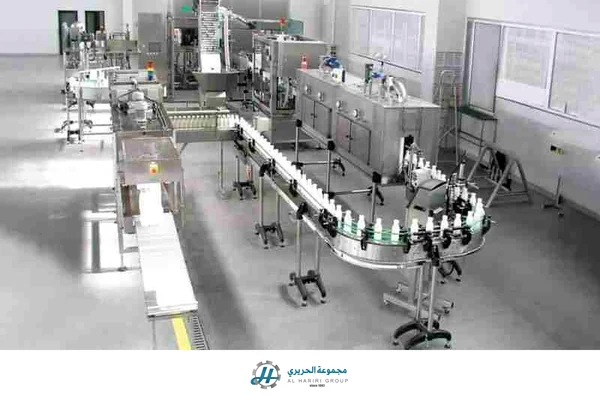
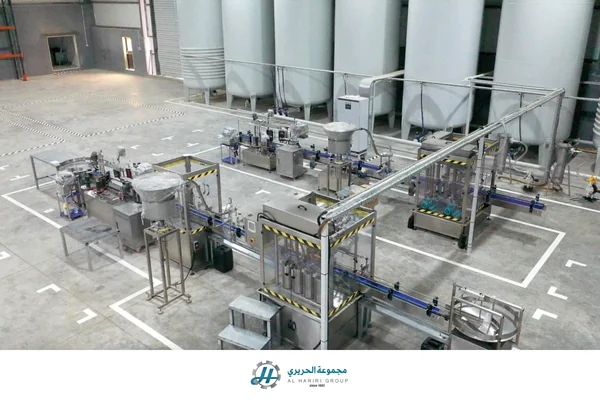
A good layout keeps the product path short and one-directional, so bottles move from preparation to filling, capping, labelling and packing without crossing clean and dirty zones. Plan space for maintenance, cleaning and future expansion, and keep utility rooms separate from production areas.
Step 3: Choose Bottle Formats
Bottle format drives much of the equipment choice. Each size, neck finish and closure type can need its own change parts or settings. Limit the number of formats at launch, and confirm that the filler, capper and labeller support each format you plan to run.
Step 4: Check Compliance
- Confirm the source and the treatment permitted under the rules of each market you sell to.
- Document materials that touch the product and keep supplier certificates on file.
- Set up cleaning and sanitation procedures before commissioning.
- Agree on traceability: batch codes, date coding and record keeping.
Notes for Gulf, European and Turkish Buyers
Gulf: Heat and long storage periods make bottle quality, closure integrity and packaging strength especially important. Factor these conditions into material choices and warehousing.
Europe: Expect detailed requirements on packaging materials, recycling and labelling. Check them early, because they shape bottle design and label choice.
Turkey: Turkey combines a large domestic market with export access. Plan the line around the formats your customers need, and confirm the documents each export market asks for.
Al Hariri Group supplies production lines and industrial machines for bottled water and can help you match capacity to your plan. Contact us with your target output and bottle formats. For the background of the sector, see our guide to bottled natural mineral water.
Frequently Asked Questions
How do I size a bottled water line?
Start from the target bottles per hour for each format, add an allowance for downtime and changeovers, and plan the expansion so the line does not need rebuilding.
Should I start with several bottle formats?
Usually not. Limit formats at launch, confirm the equipment supports each one, and add formats as demand is proven.
Which documents do I need for export?
Requirements vary by country. Confirm labelling, source and treatment rules, and material certificates with the authority in each destination market before shipping.
Blog Posts
Rotary Lobe Pumps in Turkey: A Practical Al Hariri Group Guide
Multihead Weighers in Turkey: A Selection Guide from Al Hariri Group
Honey Filling Machines: Options for Jars, Bottles and Sachets
Mayonnaise Production Lines: Machines, Process and Quality Control
Date Syrup Production Line: Machinery, Process and Plant Setup
Al Hariri Group Virtual Showroom: Explore Filling and Food Processing Machines Online
Recent Products
Welded Stainless Steel Butterfly Valve
DED-1000 Frozen Meat Shredder
LED Illuminated Wiper Surveillance Glass, Stainless Steel
Industrial Boiler for Food Production Lines
Food Grade Stainless Steel Plastic Belt Conveyor, 80 mm to 2,000 mm
Chocolate Ball Shaping Forming Machine (Smere)
EN 10357 Stainless Steel Pipe, Polished Outer and Inner Surface
Tomato Paste Production Machine, Made in Turkey, LIONMAK
Hummus Product Storage Tank