
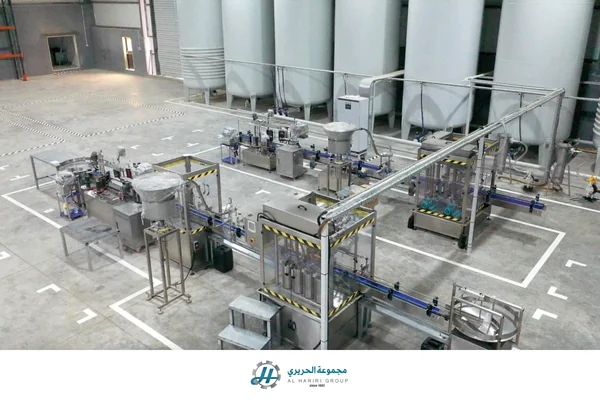


Jam is one of the oldest preserved foods, and industrial jam making still follows the same core logic: cook fruit with sugar, concentrate it, and fill it into clean, sealed containers. What has changed is control. Modern jam lines manage cooking, dosing, filling and packing so that texture, batch quality and output stay consistent. This guide walks through the process and the questions buyers should ask before investing.
Contents
From Honey to Sugar: A Brief History
Preserving fruit with honey and later with sugar is centuries old. Sugar became more widely available in Western Europe during the Crusades, and jam making gradually moved from a household skill to a commercial product. Large-scale production became practical once canning and sealed-container methods made it possible to keep food safe for long periods, a development linked to the work of Nicolas Appert in the early 19th century.
How an Industrial Jam Line Works
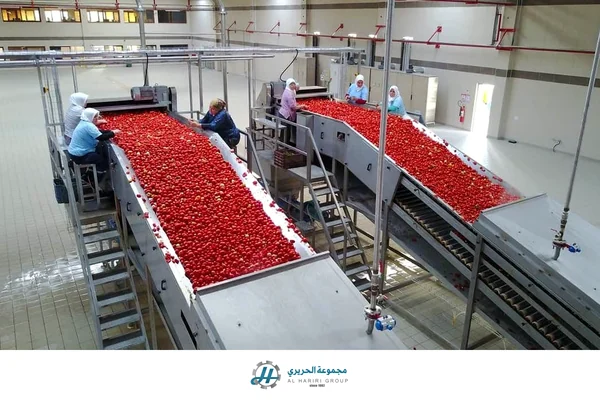
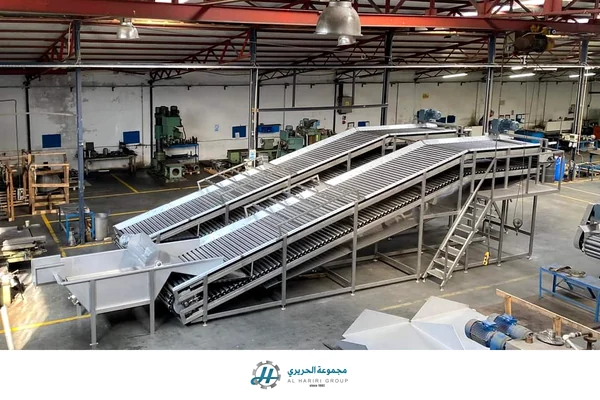
- Fruit preparation: washing, sorting, pitting and cutting.
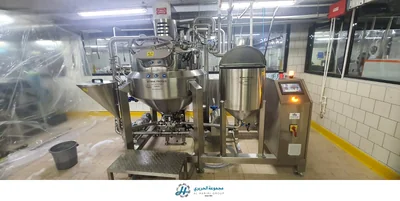
- Cooking and concentration: fruit is cooked with sugar, and pectin or acid where the recipe needs them, until the target set is reached.
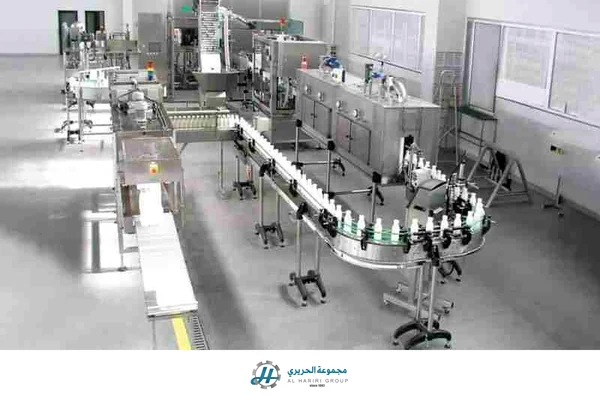
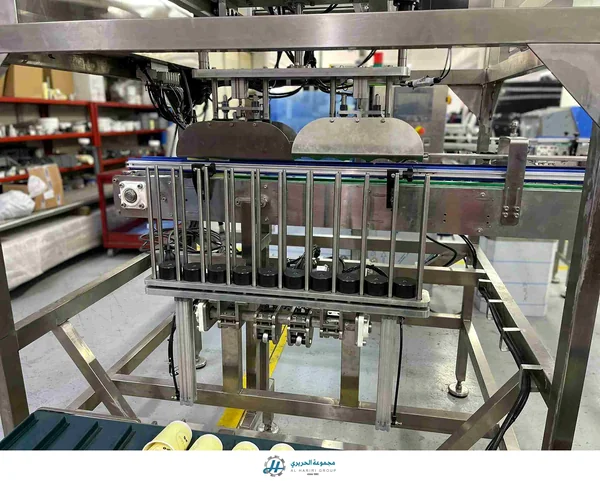
- Dosing and filling: hot jam is dosed into jars or containers at controlled volumes.
- Sealing and cooling: lids are applied and containers are cooled under controlled conditions.
- Packing and labelling: finished jars are labelled, cased and palletised.
What to Check Before You Buy
- Product range: the fruit types, viscosities and chunk sizes the line must handle.
- Container formats: jar sizes, closures and labelling requirements.
- Output: target jars per hour and planned growth.
- Hygiene: materials in contact with the product, cleaning access and clean-in-place options.
- Service: installation support, spare parts and operator training.
Opportunities in the Gulf, Europe and Turkey
Gulf: Demand for jams and spreads grows alongside retail and food-service channels, and buyers often want one line that handles several flavours and pack sizes.
Europe: European buyers usually focus on food safety documentation, energy use and traceability.
Turkey: Turkey has a strong fruit-processing base, which makes it a practical place to produce and export jam.
Al Hariri Group is among the leading manufacturers of industrial food processing and filling machinery, and it supplies jam production lines and related equipment. Contact the team to discuss your product, capacity and destination market.
Frequently Asked Questions
What does an industrial jam line include?
A typical line covers fruit preparation, cooking, dosing and filling, sealing, cooling and packing. The exact configuration depends on the product and the output required.
Can one line handle different jam flavours?
Many buyers plan for product changeovers. Discuss the flavour range, viscosity and cleaning requirements with the manufacturer before ordering.
Does Al Hariri Group supply jam production lines?
Yes. Al Hariri Group supplies industrial machinery and production lines for the jam industry. Contact the company with your requirements.
Blog Posts
Rotary Lobe Pumps in Turkey: A Practical Al Hariri Group Guide
Multihead Weighers in Turkey: A Selection Guide from Al Hariri Group
Honey Filling Machines: Options for Jars, Bottles and Sachets
Mayonnaise Production Lines: Machines, Process and Quality Control
Date Syrup Production Line: Machinery, Process and Plant Setup
Al Hariri Group Virtual Showroom: Explore Filling and Food Processing Machines Online
Recent Products
INOXBEY Complete Mozzarella Cheese Production Line, Model 18
Ribbon Blender and Malaxer Mixing Machine, 100 L to About 2,000 L
Ketchup, Mayonnaise and Sauce Making Machine
Autoclave for Food, Medical and Pharmaceutical Sterilization
Ice Cream Pasteurizer
Cheese and Dairy Production Lines with Packaging Equipment
TES-210 Meat and Bone Saw
Fruit and Vegetable Sorting Conveyor
Tahini and Halawa Production Line, 5 Tons per Day